
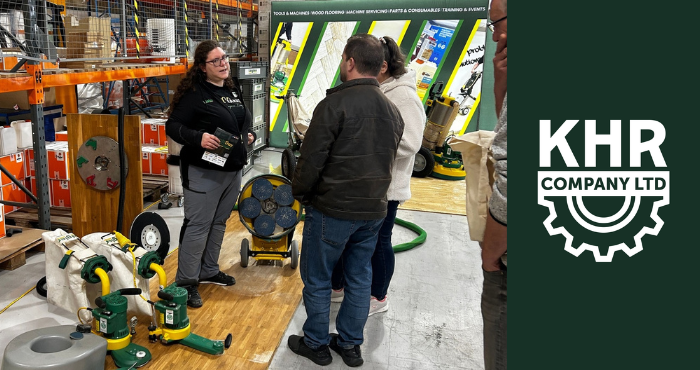
Choosing the right sander for floor renovation can make the difference between a smooth, professional finish and a worn, uneven result. When homeowners or tradespeople ask, “What is the best type of sander for floors?” the answer depends on the flooring material, the extent of the sanding, and the desired final texture. In this guide, we’ll explore the different floor sanding machines available, how they work, and how to choose the best sander for your project. By the end, you’ll have a clear understanding of how to select the right floor sanding machines for a flawless floor.
Understanding the Basics: What Is a Floor Sander?
Before diving into the best type of sander, it helps to understand what floor sanding machines do. A floor sander is a powered tool designed to remove old coatings, smooth out irregularities, and prepare the surface for finishing. There are several types of sanders commonly used in floor refurbishment projects, each with its own purpose and ideal workflow. The main categories include drum sanders, belt sanders, edging sanders, and orbital/random orbital sanders. Some projects may require a combination of these machines to achieve a uniform finish.
Drum Sanders: Power and Precision for Large Areas
Drum sanders are the workhorses for removing old finishes over large, flat areas. They use a cylindrical sanding drum that rotates against the floor, stripping away layers of finish, stain, or uneven surface. Drum sanders are highly effective when you need to remove significant material quickly, but they require careful handling to avoid gouges or burns. For best results, start with coarse grits and gradually progress to finer ones, keeping the sander flat and evenly weighted across the floor. Safety is paramount, as drum sanding generates a lot of dust and throws it into the air.
Pros:
- Fast material removal
- Even cutting across large expanses
- Good for initial flattening and levelling
Cons:
- Higher risk of gouging if not used carefully
- Requires a smooth, clean floor to prevent catches
- Heavy and less manoeuvrable in tight spaces
Belt Sanders: Aggressive Yet Controllable
Belt sanders are another powerful option for floor sanding. They use a continuous loop of abrasive belt that moves around rollers. Belt sanders are excellent for aggressive material removal and are often used after the drum sander to tackle stubborn patches or when levelling is needed. They offer more control in the initial stages than drum sanders but still require skill to avoid gouges. Like drum sanders, they generate significant dust and require proper PPE and dust extraction.
Pros:
- Strong material removal with good control
- Good for levelling and smoothing mid-layers
- Useful for corrections after drum sanding
Cons:
- Can leave swirl patterns if not used correctly
- Heavier and louder than some alternatives
- Requires careful technique to prevent step-downs in thickness
Edge Sanders: Reaching the Tough Edges
No floor sanding project is complete without addressing the edges. Edge sanders are designed to fit along walls and into corners where drum and belt sanders cannot reach. They are essential for achieving a consistent finish from edge to centre. Edge sanding is often done after the main area has been prepared, using finer grits to blend the edges with the central section.
Pros:
- Access to corners and along skirting boards
- Helps create a uniform finish across the entire floor
- Smaller, more manoeuvrable for tight spaces
Cons:
- Limited to edge work; not suitable for large open areas
- Can leave distinct lines if not feathered properly
Random Orbital and Drum vs. Random Orbital: The Finishing Touch
Random orbital sanders, including their floor-specific variants, are popular for fine finishing. They combine orbital action with a random pattern to reduce swirl marks, producing a smoother final surface. Some professionals prefer random orbital sanders in the final passes after using drum and belt sanders. For parquet or tricky substrates, a floor random orbital sander can be particularly effective at achieving an even, scratch-free finish.
Choosing the Right Floor Sanding Machines for Your Job
Selecting the best sander depends on several factors:
- Floor type: Hardwood, softwood, or engineered boards each respond differently to sanding.
- Finish condition: Heavily coated or damaged floors may require more aggressive machines (drum or belt) before finishing with an orbital sander.
- Project size: Large rooms justify renting larger machines; smaller areas can be tackled with portable options.
- Skill level: More advanced equipment demands careful technique and safety awareness.
- Dust management: Floor sanding creates significant dust; ensure you have a good dust extraction system or shop vac.
Tips for success:
- Test in a small inconspicuous area to gauge how the floor responds to each abrasive.
- Always wear appropriate PPE: dust mask, hearing protection, eye protection.
- Keep the sander moving to avoid creating flat spots or gouges.
- Work with the grain when possible, especially with hardwood floors.
- Use progressively finer grits to achieve a glass-smooth finish.
After Sanding: Finishes and Maintenance
Once the sanding is complete, the next step is applying the finish. The finish not only protects the wood but also defines the final appearance. Options include water-based polyurethane, oil-based polyurethane, penetrating oil finishes, or wax. The preparation work done with floor sanding machines will influence how well the finish adheres and how durable it is.
Maintenance matters too. Regular cleaning, avoiding standing water, and occasional re-coating will preserve the floor’s beauty for years. If you are unsure about achieving a professional result, consider hiring a professional floor sanding service or renting a complete floor sanding package that includes both the machines and expert advice.
Final thoughts
Choosing the best type of sander for floors is less about a single “best” machine and more about matching the equipment to the task at hand. Floor sanding machines, when used in the right sequence, drum for heavy removal, belt for intermediate smoothing, edge sander for perimeter work, and a finishing random orbital sander for the final pass, will help you achieve a uniform, professional finish. With proper safety, dust management, and patience, you can transform tired floors into a stunning surface that lasts for years. Remember to assess your floor, select the right mix of floor sanding machines, and take your time to move steadily across the surface.